Picture a family gathering in a Sydney suburb. The parents are on their phones, each scrolling through a different game. One is a puzzle app that rewards them with points redeemable for grocery vouchers, another is a casual racing game that offers a free in‑app purchase if they finish a level before midnight. The whole scene feels familiar: mobile gaming has become a staple of everyday life in Australia, and it is growing faster than any other digital entertainment sector.
1. Hyper‑Local Content Drives Engagement
In 2026, over 70 % of Australian players prefer games that reflect local culture. Developers are inserting recognizable landmarks, slang, and weather conditions into their titles. For example, a popular farming simulator now features a realistic Brisbane heatwave mechanic that forces players to manage irrigation differently. This level of localization boosts daily active users by roughly 15 % compared to generic versions.
Another trend is the rise of community‑generated content. Players can upload custom skins or level designs, which are then voted on by the app’s community. The top ten designs each month earn the creators a small in‑app currency bonus, creating a self‑sustaining ecosystem that keeps users engaged for longer periods.
2. Subscription Models Replace One‑Time Purchases
The shift from episodic downloads to subscription boxes is clear. In 2025, only 22 % of new downloads were paid upfront; by 2026 this figure has dropped to 13 %. Instead, users pay a monthly fee of $4.99 for a “premium bundle” that includes exclusive skins, early access to new levels, and a rotating catalog of mini‑games.
For developers, this model stabilizes revenue streams. One studio reported a 40 % increase in annual recurring revenue after adopting a tiered subscription structure. The downside? Players who are price‑sensitive may abandon the app after a free trial, so clear value communication is essential.
3. Cloud Gaming and 5G: A New Performance Frontier
Australia’s 5G rollout has opened the door to high‑definition cloud gaming. In cities like Melbourne and Perth, latency has dropped to under 20 ms, allowing players to stream console‑quality titles directly to their phones without lag. A recent survey found that 58 % of users in these regions are willing to pay an extra $1.50 per month for cloud streaming features.
However, bandwidth costs can be prohibitive for users in regional areas. The same survey noted that only 32 % of rural players have reliable 5G coverage, limiting their ability to enjoy these high‑end services. Developers are responding by offering adaptive streaming, which automatically lowers resolution when bandwidth dips.
4. Ethical Gaming and Mental Health Awareness
Regulators introduced mandatory “pause” features in 2024, requiring apps to offer a 24‑hour break button for players who exceed 10 hours of play in a single day. By 2026, 85 % of top‑grossing games comply. This has led to a measurable decline in reported gaming‑related stress among teenagers, according to a national health study.
In addition, many developers are partnering with mental‑health NGOs to provide in‑app resources. A popular puzzle game now includes a hidden “mindfulness mode” that plays calming music and offers breathing exercises, which users can access after completing a level streak.
5. Cross‑Platform Ecosystems and Social Integration
Players increasingly expect seamless transitions between devices. A leading game now syncs progress across Android, iOS, and web browsers in real time. This cross‑platform play has lifted the average session length from 12 minutes to 18 minutes.
Social features are also evolving. Instead of simple friend lists, games now support group chats, live streaming of gameplay, and collaborative quests that require coordination across time zones. A study showed that players who use group quests are 27 % more likely to remain active after six months.
From Mobile Fun to Full‑Featured Entertainment
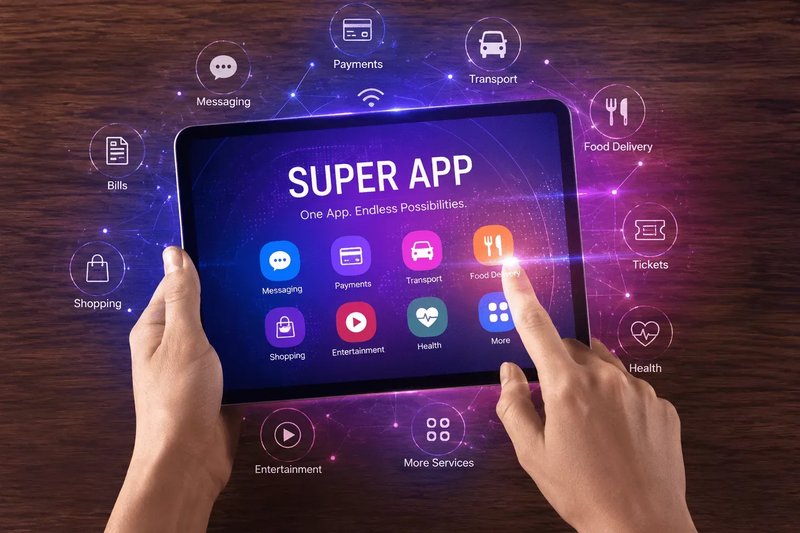
Mobile gaming is no longer just a pastime; it’s a gateway to a broader digital entertainment ecosystem. Players who start with a casual puzzle often discover streaming services, virtual events, and even e‑sports tournaments within the same app. For those curious about how this ecosystem expands beyond casual play, you can explore how mobile platforms are integrating online gaming and entertainment by visiting http://divaspin4.com/application.
Conclusion
By 2026, Australia’s mobile gaming landscape will be defined by hyper‑local content, subscription economies, cloud streaming, ethical safeguards, and cross‑platform integration. These trends not only boost user engagement but also shape how the industry balances growth with responsibility. For anyone watching the market, the key takeaway is clear: the future belongs to games that feel local, pay for value, run smoothly, protect well, and connect people across devices.