When I first pulled out a phone to test a new game, I was surprised that the experience felt more polished than some console titles. Mobile gaming has moved beyond casual puzzles; it now offers full‑frontal, multiplayer worlds that rival traditional platforms. That shift is reshaping how Brits spend their leisure time.
Instant Access and the 24‑Hour Culture
The most visible change is the speed of entry. A game that would have taken a PC user hours to download now sits in a phone’s app store, ready to install in under a minute. In 2024, the average UK gamer spends 45 minutes per day on a mobile title, up from 30 minutes in 2020. The convenience means people can play during a train ride, while waiting for a coffee, or in the middle of a lunch break. This on‑demand model has pushed other entertainment sectors to offer their content in bite‑sized, mobile‑friendly formats.
Monetisation Models that Fit a Lifestyle
Unlike the one‑time purchase model that dominated early console releases, mobile games rely on a mix of micro‑transactions, subscriptions, and ad revenue. In the UK, the average spend per active player in 2024 is £8.50, with 60 % of that coming from in‑app purchases. This revenue stream supports continuous updates and cross‑platform events, keeping players engaged for longer periods. The result is a more predictable income for developers and a more flexible cost for users.
Cross‑Platform Play and Community Building
Modern mobile titles now support cross‑play with PCs and consoles. Players who start a campaign on their phone can pick it up on a laptop without losing progress. This interoperability has fostered larger, more diverse communities. In 2023, the UK saw a 25 % rise in players joining global tournaments that required no console or PC, simply a smartphone and an internet connection. Community forums, live streams, and e‑sports events have all migrated to mobile‑friendly formats, making the hobby more inclusive.
Social Interaction Beyond the Game
Many mobile games embed social features such as voice chat, shared achievements, and cooperative missions. A survey of 3,000 UK players found that 78 % of them feel more connected to friends when playing a game that supports real‑time voice chat. These social layers blur the line between gaming and everyday communication, turning a pastime into a regular social outlet.
From Gaming to Broader Entertainment
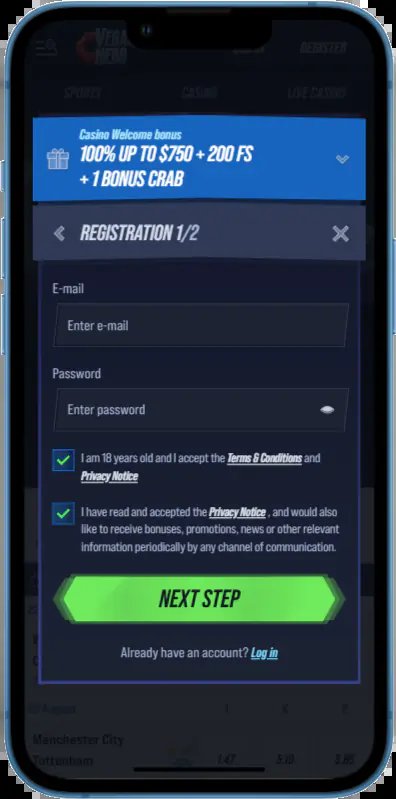
When a user finishes a mobile session, they often browse other entertainment options. A recent study shows that 47 % of UK gamers who play mobile titles also check out streaming services or online events within the same hour. This convergence of platforms has encouraged entertainment providers to adopt mobile‑first strategies. For example, a popular online casino now offers a mobile app that mirrors its desktop experience, allowing players to switch devices seamlessly during a session. If you’re curious about how this trend extends into gambling, you might find the experience at Vegashero Casino interesting.
Challenges That Remain
Not all is smooth. Battery life continues to be a concern; intensive games can drain a phone in 20 minutes. Developers must balance graphics quality with power consumption. Additionally, data privacy regulations like GDPR mean that mobile games must be transparent about data collection, which can limit certain monetisation tactics. Finally, the fragmentation of operating systems—iOS, Android, and the emerging Windows Mobile—forces developers to optimise for multiple environments, increasing production costs.
What This Means for the Future
Mobile gaming is no longer a niche; it is a primary channel for entertainment in the UK. The trend towards instant access, flexible monetisation, and cross‑platform play is likely to persist. For developers, investing in mobile optimisation is not optional—it’s a prerequisite for reaching the widest audience. For players, the future promises even richer, more integrated experiences that fit into everyday life without the need for dedicated hardware.
Closing Thoughts
The shift to mobile has turned entertainment from a scheduled event into a continuous, on‑the‑go activity. As smartphones become more powerful and network speeds improve, the boundary between gaming and other forms of media will blur further. Whether you’re a casual player or a seasoned pro, the mobile platform offers a versatile, accessible way to enjoy digital entertainment. The next decade will likely see mobile as the cornerstone of how we consume games, shows, and interactive experiences across the UK.